

284 – Wil Derouen of Seattle, WA A Certified Peer Counselor With Dads M.O.V.E. And Father Of Five Including One With ADHD
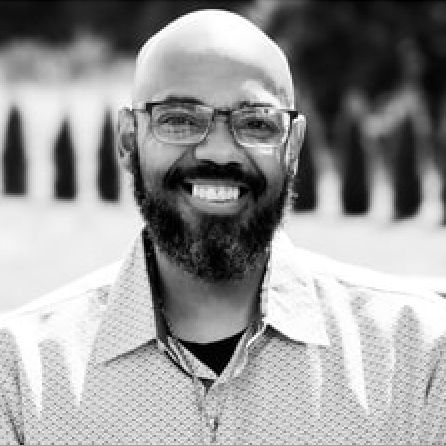
Our guest this week is Wil Derouen of Seattle, WA who is a Peer Support Counselor at Dads M.O.V.E. and father of five boys including one with ADHD.
Wil and his wife, Hazel, have been together for eight years and married for one year. He is the proud father of five boys from three women: Zion (18), Cameron (21), Treveon (23), Sheraud (24) and Kahlil (26) who has ADHD.
Wil’s story is rather remarkable including some serious ups and downs. Wil is like a phoenix that has risen from the ashes. He served three years of a five year sentence from 2008 to 2011 in state prison on a felony conviction of conspiracy to deliver a controlled substance. He was released two years early for good behavior, which included working with other inmates to create resumes and develop job-rediness skills.
In his role as a Peer Support Counselor at Dads M.O.V.E. (Mentoring Others through Voices of Experience), Wil is uniquely qualified to work with a wide range of dads, including incarcerated dads and others who have felony convictions.
The mission of Dads M.O.V.E., established in 2011, is to strengthen the father’s role in raising children with behavioral health needs through education, peer support and advocacy.
We’ll hear Wil’s story of tragedies and triumphs as well as redemption on this episode of the SFN Dad to Dad Podcast.
Show Links
Email – wderouen@dadsmove.org
LinkedIn – https://www.linkedin.com/in/wiljr75/
Website – https://www.dadsmove.org/
Transcript:
Tom Couch: [00:00:00] Special thanks to Horizon Therapeutics for sponsoring the Special Fathers Network Dad to Dad Podcast. Working tirelessly to research, develop, and bring forward medicines for people living with rare and rheumatic diseases. Discover more about Horizon Therapeutics mission at HorizonTherapeutics.com.
Wil Derouen: Don’t give up. Simple as that. Don’t give up. First thing a man wants to do is after they may have admitted that maybe their child or youth or whoever they’re taking care of may have a quote unquote problem, issue, mental, physical, or whatever it is, do not give up. Once the thought, or you have seen anything wrong, you know something is wrong, then take action immediately.
Tom Couch: That’s our guest this week, Will DeRoon, a father of five who works to strengthen the father’s crucial role in raising children. His is an amazing journey. It’s a journey that goes from doing time for running drugs, to volunteering time to help dads [00:01:00] in Tacoma, Washington be the best they can be. And we’ll hear Will’s story on this Special Fathers Network, Dad to Dad Podcast.
Now say hello to the founder of the Special Fathers Network and the host of the Dad to Dad Podcast, David Hirsch.
David Hirsch: Hi and thanks for listening to the Special Fathers Network, Dad to Dad Podcast, presented by the Special Fathers Network. A dad to dad mentoring program for fathers raising children with special needs.
The Special Fathers Network Mastermind Group Experience is the most comprehensive program the 21st Century Dads Foundation offers. Dads raising children with special needs meet virtually on a weekly basis and form meaningful relationships while sharing weekly wins, discussing books, and sharing heartfelt challenges.
One of the highlights of the year is attending an in person weekend retreat. We’re launching 10 new SFN Mastermind groups in January 2024 with 10 dads per group. That means we’re only looking for 10 like minded dads in each of the following locations, [00:02:00] Anchorage, Alaska, Bellevue, Nebraska, Chicago, Illinois, Denver, Colorado.
Georgetown, Grand Cayman, Houston, Texas, Indianapolis, Indiana, London, England, Nashville, Tennessee, and Reykjavik, Iceland. If you’re a dad raising a child with special needs in one of these cities, we hope you’ll join the local SFN Mastermind Group and make the investment to become the best version of yourself.
For more information, Please see the show notes or simply go to 21stcenturydads. org.
Tom Couch: Now let’s hear this captivating conversation between Will Derun and David Hirsch.
David Hirsch: I’m thrilled to be talking today with Will Derun of Seattle, Washington, the father of five boys who works for Dad’s Move, a Tacoma based, not for profit whose mission is to strengthen the father’s role in raising children with behavioral health needs through education, peer support, and advocacy.
And in full disclosure, Will served three years in state [00:03:00] prison from 2008 to 2011 on a felony conviction of conspiracy to deliver a controlled substance Will. Thank you for taking the time to do a podcast interview for the Special Fathers Network. Thank you for having me. You and your wife Hazel have been together for eight years and married for one year.
You’re the proud father of five boys Zion 18, Cameron 21, Trevion 23, SHI 24, and Khalil 26. Let’s start with some background. Where did you grow up? Tell me something about your family.
Wil Derouen: Well, I grew up on, uh, I was born on Fort Lewis, Washington. Guess you could say I’m a little bit of a military brat. But I was, uh, pretty much raised in Lacey, Washington.
Right next to the capital of Olympia, Washington. The background of that is pretty much my parents, both from down, deep down South in the sixties or during that time and era. So they migrated and came on up here to Washington. They were pretty much the third individuals to buy this house in this development.
So it was always pretty [00:04:00] much everybody knew everybody from birth for a very, very long time. All of their friends and the people who I knew were friends from, People that my dad knew in the military. So a lot of his friends became like, one of them was my godfather. And that’s just how it pretty much seems was with my life, the same neighbors for years and years to come.
And it’s the same neighbors. They’re pretty much now to this day.
David Hirsch: Did I remember that you were the middle of three children?
Wil Derouen: Uh, yes, I am. I have an older sister. She is 12 years older than me. And then, uh, I have a young cousin who I started to take care of when I was in high school and I consider him my brother.
So yes.
David Hirsch: And are they still local or not?
Wil Derouen: No, my sister is living in Florida right now and my cousin lives in good old back in Lacey, Washington right now himself
David Hirsch: Okay, you mentioned your dad was in the military My recollection was that he was a Vietnam veteran did two tours and he retired from the army after 20 years What has he done subsequently?
Wil Derouen: Well since then as he got out of the military, he worked for the [00:05:00] government He was working for employment security He retired from there and then pretty much just hung around doing nothing pretty much and then you know kind of PTSD kicked in, you know, and he started drinking quite a bit. You know, and just stayed busy at the bars is the story I could say.
And so he spent a lot of time away from me instead of being close in encounter with me at the house or whatever. And it was my mom always working. So it was just me and my sister and my dad was out doing whatever he chose to go do at that time. And so I guess you could say in that sense, I had a distance from him, even though close knit family, family, my parents are still married, that closeness that you miss with your father is gone.
He’s there, but he’s gone. It’s a different kind of raising, being raised in that environment, but he was there for me, but just not as closely as I kind of had wished for.
David Hirsch: Yeah. Well, thank you for your openness about that. Um, I’m sort of curious to know, how would you describe your relationship with your dad?
Wil Derouen: [00:06:00] Now it’s better, but at that time it was just always okay. He would go out and do something and he was just there monetarily for me and my sister and my cousin. So he always go out and do different things within the community. He’s a member of the Masonic organization. He was always busy doing things like that, but not being around when I wanted to do sports or if I was doing something active in school or anything like that.
It was just okay. Well, if you need this monetarily wise, yes, I will be there for you. Here is something that you need. Here you go. I will take the money in my pocket and be there for you. So that male configuration was gone. It was just me, my mom, my sister, and my cousin, me, my mom, my sister, and my cousin.
David Hirsch: So, uh, you raised an interesting, um, issue that your dad is a Mason. Yes. And I’m wondering, is he active in the Masonic
Wil Derouen: organization or not? Not anymore. No, he recently just had a stroke, so no, he doesn’t move around as much as he used to, but he still does certain events through the Masonic organization.
He still is somewhat of a memory. Pays his dues and things like that. And all [00:07:00] of his friends, including, like I keep saying, my godfather and all his other friends, they still are members of the Masonic organization and still do things within the community. So, um,
David Hirsch: I know a little bit about the Masons. My grandfather was a Mason and a Shriner.
I don’t know if that means anything to you, being part of the Shriners as well, but when I was growing up, I can remember going to the circuses that the Shriners put on. And, uh, it seems like the membership in both those organizations was overlapping. And they’re very, uh, civic minded individuals, individuals that, you know, use their organizations for, you know, social purposes, getting together, but they had a purpose.
And I’m wondering if you had any memories about, uh, some of the things that The Masons did, or the Shriners did, in your community?
Wil Derouen: Uh, actually, it’s funny that you say that, yes, because they always give back to their community. If one individual gets hurt and gets into an accident, for example, or they give out scholarships for people graduating high school.
If somebody gets hurt, [00:08:00] regardless if they’re a member or not, they are there for them. Thanksgiving baskets, Christmas baskets, things like that. And leading on to that later on, Dad’s Move did something with my dad’s Masonic organization for the Juneteenth celebration. So things like that they always still will do in the community and they’re really close knit and they will always be there for each other.
I will say that.
David Hirsch: Thanks for sharing. So when you think about your dad, I’m wondering if there’s an important takeaway or two from your relationship, maybe a lesson learned.
Wil Derouen: As far as me being a father right now, yes, always being there for them. Communication wise, not just being there monetarily wise, you need to be there with your boys.
My boys, I’m going to say my boys because I have boys myself. I need to be there for them in every sense of the aspect. Instead of me passing baton of how I was raised, I’m going to separate that and make it something different, which so far I think I’ve did a pretty good job. Yeah, well,
David Hirsch: that’s something I can relate to, Will.
I think you and I spoke about this before, is breaking the cycle of father absence. The pendulum swings one way, maybe during a [00:09:00] generation, and then it swings another way. And, uh, maybe we’re not overcompensating, but it’s something that is crystal clear to us, right? You know, we don’t want to make the same mistakes, perhaps, that our dads made.
Yeah. You know, that’s not being judgmental. It’s just saying that, hey, society expects different things of men today. And, uh, hopefully we can rise to the occasion and inspire others to do the same. You’ve spoken a couple of times about your godfather. What’s his name and what role has he played in your life?
Wil Derouen: Uh, his name is Janius Poole and he is actually four houses down from my parents house. My parents bought like the second house on the block and then I think he bought like the third. He is one of the members of the Masonic Organization as well. He is my dad’s best friend. And he is my godfather. Plenty of times me and my father would not have the same agreement about something.
I couldn’t know, I could always feel safe and walk down to him and just talk to him and have a neutral, non judgmental attitude or idea towards anything. He would just let me [00:10:00] talk and just let me vent. Which I wasn’t able to get from my dad.
David Hirsch: Yeah, well you’re very fortunate to have somebody like James Poole in your life that, uh, You know, you can relate to, and he understands you, he knows you, you know, since you were just a little whippersnapper.
And, uh, you know, not everybody has somebody like that in their life, so, uh. You know, thank God for the angels in our life, like James Poole.
Wil Derouen: Yeah.
David Hirsch: From an educational perspective, I remember you went to Grays Harbor Community College and graduated in 2001 with an information technology degree. Where did you think your career was going to take you from that point going forward?
Wil Derouen: Honestly, I didn’t know. I was just going to school. I didn’t have no path. I was going down any kind of particular way. I was just going to school. Uh, kind of falling back to like how I was raised. Always just going to school, just doing something, doing something. I didn’t have free time. So, I was just going to school just kind of like, I guess, maybe to have my mom get out of my ear about certain things.
To keep her happy, you know, just to do things like [00:11:00] how I was always raised. I didn’t have no guidance, no, at that time.
David Hirsch: Okay. So I think prior to that, you were a paraeducator at the North Thurston Public Schools for better part of a decade. What sort of drew you to that type of work?
Wil Derouen: Actually, I was given that Idea, not an idea, but my pastor from all the church before he had passed away, he always told me that he thought I could be like some kind of teacher or something, so I was like, I didn’t buy into that too much.
Went to high school, there was an education course to go work in as a paraeducator, and I started doing it, and I just stuck with it, and I liked it, and I always was told I was a people person, always had some good outreach, um, good communication skills with people. And people was able to relate to me and I had a good time doing it and I had a really good time doing it.
I started coaching different sports and I just stuck with it for a very long time.
David Hirsch: So, uh, what was it that, um, occurred, uh, after your paraeducator experience of this gap that you had in your employment?
Wil Derouen: Oh, there was a gap of [00:12:00] shoot, man. I went from one job to another. I even went to as far as Go in and listen in to the military, went to the Navy, got my orders to be going to be stationed in San Diego and everything like that.
And then I found out one of my friends got murdered and I went AWOL and I came back home, went to the funeral service and then instead of one day to two, two to three, three to four, you know, it started being months on end, then maybe almost a year. And then I got picked out and then I went and did 30 days in the, um, you know, And the military prison.
And I had two options. I either could go and get a, other than honorable discharge or a dishonorable discharge instead. And so I took the first option and got an honorable discharge. So I had a lot of big gaps in my life. This is the story in a nutshell. I had a lot of big gaps in my life, no guidance to know which way I want to go.
So that’s what, that was one of the big gaps in my life right there as well.
David Hirsch: So the other big gap, which I mentioned in the introduction had to do with this, uh, felony conviction. What’s the [00:13:00] backstory on that?
Wil Derouen: Running with the wrong crowd at the time in my life. Back to no guidance once again. I got picked up for, pretty much a friend of mine was making drugs and I was helping them sell them.
And incarcerated, I was looking at 120 months. And I went back to my cell and I was really thinking, okay, 120, I’m thinking that was like days. And then the guy who was in the cell with me said, no, I think you need to look at those papers again and do that, do that math. You need to sober up and look at those papers and do the math.
And I counted it. And those, it was a long time. And so the time that I went back to it, I said, I don’t want to do that. And they said, okay, well, we’ll do seven years. And then I did, okay, good time. It would be five years. And then I said, no. And they said, okay, we’ll give you five years. You’ll do three years.
And if you go to court, then you’ll be looking at 10 years, take it or leave it. And so I was thinking of my kids at that time. And so I just said, you know what? I know I’m already going to do some time being incarcerated. I needed to just accept it and just go ahead and go in. And [00:14:00] so that’s what I did.
David Hirsch: So you served for three full years then?
Yes, sir. And was that because of good behavior or things that you did while you were incarcerated?
Wil Derouen: That was the good behavior time, sir. I was looking at five years, but I did three. What were some of the things that you did while you were incarcerated? Well, I was in there first. I started working in the kitchen.
I stayed to myself quite a bit. I was a quiet person, but then I got the opportunity because they found out that I had worked at a school district for me to teach a course to help individuals pre released getting out with their resumes. It was like the second job I got. So I got the opportunity to do that, and I jumped on it.
And I taught that course for the whole duration of the time that I was incarcerated, making 35 cents an hour doing that course. But in between then, I was always getting visits every weekend from my parents, or from somebody from the church, or from my godfather, or whoever. Kids came to see me. So you felt like you were not out of touch with your family.
That’s what
David Hirsch: I hear you saying.
Wil Derouen: No, not at all. Except for the fact that I had to wake up every day and seeing the same [00:15:00] person, same people every day, seeing the same guys every day. And you see those walls, yes, but I did have some freedom at least three to four days out of that week, at least to see my family, which felt really good.
David Hirsch: Yeah, well my heart reaches out to you. It sounds like, uh, you found yourself in a pretty unlikely place and, uh, you know, you paid your dues, right? You know, you served your time. A lot of guys would not want to be open and transparent about it like you are, but I think, uh, it’s one of your superpowers, Will.
It’s the reason that you can relate to other individuals who either are incarcerated or who were incarcerated to say, hey, you can let that define who you are. Or you can put it in perspective, right? And there’s a life to live and, you know, maybe you’ve limited some of your alternatives because of your felony conviction.
Let’s just own that. But it doesn’t mean that you can’t live a full life and be a good role model. from this point going forward and to help [00:16:00] educate others to avoid some of the same mistakes that you’ve made. And uh, hopefully that is part of the reward, if I can call it that, that you’ll realize going forward is to be of assistance to other people.
Thank you. So I’m sort of curious to know, how did you and
Wil Derouen: Hazel meet? Me and my wife, pushing the button on the internet, actually. Times has changed. I get out of prison, you know, I have to get used to the roundabouts and all that kind of stuff. Everybody, the technology is going on, stuff like that. So, you know, it was two things.
You know, I started pushing the button, started dating, started, okay, we can start meeting people on the internet, push the button. I met her like that. She, me and her started talking for like six months or so, strictly on. All the time on the internet, until we finally got to see each other face to face, which I kind of joke about it, kind of saved my pocketbooks for a little bit, you know, I was going out to eat all the time and stuff.
But it also made us get to know each other a lot more in tune. And ever since then, [00:17:00] we have always been by each other’s side. We’ve been on each other’s hip. We just dated for a very long time. We just recently got married last year. So. Yeah, well,
David Hirsch: congratulations. Thank you. So I’m sort of curious to know, you have five sons.
Yeah. Obviously you have not had any children with Hazel. Nope. Are these five sons from previous relationships? Or are some of these individuals her sons as well?
Wil Derouen: No, none of them are her sons, but they look at her as their mother. All five of my boys are from different situations. Khalil’s by one female.
Shirai, Trayvon, and Zion is from one by her, by themselves. And then Cameron is by one. So I have three different individual females who I have children by.
David Hirsch: Are those women still in your life?
Wil Derouen: No. Yes, they are. Everything is going on good. Uh, all the situations with their mothers wasn’t always the best, I will say.
And, but Hazel, I will say this as a kudos to her. She has helped me out with me being able to have the opportunity for me to have a good relationship with at least Cameron’s mother on a very personal level. We had gotten to the point where she was like, well, you and her need to stop [00:18:00] arguing. You need to just put things aside and you guys need to have a better relationship.
And just to let you know as well, she invited me and Hazel over to her house and they cooked me and her breakfast. Which, you don’t hear things like that, that you get to go to your son’s mother’s house and they cook you breakfast for the weekend. You don’t hear that, you know, so that’s a blessing right there and it’s going to show that anybody, things can happen in a positive way.
David Hirsch: Yeah, well, part of it is you have to put your differences aside, like you were making reference to. Yes. You know, we’re emotional creatures and it’s hard to forget the past and some of the things that were said or done. You know, you can’t change the past. So you can live in the past or hold a grudge or withhold forgiveness if that’s part of the issue or you can just let go and just say hey life’s sort of short let’s make the most of the situation you know we have these children that we share and we need to be there for them we need to bring You know, the best version of ourselves.
And, uh, it’s easier to talk about that than it is to do, but I applaud you and [00:19:00] especially Hazel for leadership, I guess, that, uh, is involved in helping create those positive, um, circumstances. Yeah.
So, let’s talk about special needs on a personal level first, and then, um, on an institutional level with Dad’s Move. So, I’m sort of curious to know, prior to Khalil’s diagnosis, did you have any connection to the world of disability or special needs?
Wil Derouen: No, you know, the thing with Khalil, Khalil got a scholarship to go to school at the University of Washington, and his situation, it just seems like he was doing fine for a very, very long time.
And then all of a sudden, he just comes around, he’s just tuned out. He’s just, Zoned out like a zombie. So something had happened in between. Then a situation took place. Why is that? It could have been a party. It could have been anywhere just now. My son is different. And a key element is me being an African American.
We don’t believe in the fact that [00:20:00] something like that could take place with us as a culture wise, or especially as a black man, my son, those things we don’t like too much. I don’t care what anybody says, it’s something that’s still a harsh reality even to this day for me to even think about. And it wasn’t until after, once again, here we go with Hazel, saying, you know what, something is not right.
Once I said, no, nothing’s wrong with him. No, something’s not right. He’s zoned out and he’s just not how he used to be. He’s not your son. Until I came to the conclusion that I know something had taken place with my son. When he’s ready to come talk to me, that’s going to be the time when he can open up to his dad.
However, since then Three or four years later, I see him up recently now. He has his girlfriend. He’s a manager at a place to work at. He is just better to like where he was, where he was. So maybe it wasn’t meant for him to talk to me about it. Maybe it was just time for him to just grasp it to himself.
But the whole mental situation, mental issues, whatever, it still is hard for me to talk about. But I do know I could grasp it to the fact that I know there was something wrong with my son. [00:21:00]
David Hirsch: Yeah. Well, thank you for being, uh, open about that. What I heard you say, but not using the words, is that, um, You personally, and maybe culturally, were in denial that something like this could be happening to one of your own.
Yeah. You know, you can look back on it. Maybe you couldn’t have seen it at the time. And say, hey, you know, I wasn’t able to be part of the solution because of my own way of looking at things. But, uh, thank God. You know, it was for a relatively short period of time and that, uh, maybe he’s gotten over that hurdle or whatever the intellectual, mental, emotional challenges that he was experiencing and that he’s in a much better place today.
Maybe you are too, right? Yeah. I know as far as your understanding and acceptance of the circumstances.
Wil Derouen: Yeah. And it helps out by me being up here and then do the kind of work that I do now too. It helps me out tremendously, actually. So, was there a formal diagnosis in Colon’s case or not? Uh, yes there was.
He had went down with my mom. He [00:22:00] was living with my mom for a while and he had went to go see a therapist numerous different times, but he never discussed none of it with me nor with my mom. So, I really can’t discuss and tell you if I do know what was diagnosed, but I do know there was a diagnosis with my son.
David Hirsch: And, uh, if you can think back to when the situation, when he zoned out. Uh, what were some of your fears as
Wil Derouen: a parent? Man, it made me feel as though I had not fulfilled my end of the bargain. I hadn’t come through as a dad. It was a letdown. You know, me and him, he was my first son. He was the one who was succeeding in everything.
Then all of a sudden, it just stopped. And I’m like, no, this can’t happen to me. This can’t happen to me. And it can’t be happening to him. And he was going to University of Washington. This can’t, oh no, this can’t happen to him. This is not going right right now. This is not going good. No, this is not right.
His mom would always say, you know, there’s something wrong with him, like, no, and this me and her will argue. So, I’m like, no, there’s nothing wrong with him. It took a couple of years to be completely honest with you for me to grasp it to that concept. It really did.
David Hirsch: Was there some meaningful advice you got along the way that [00:23:00] helped you put it in perspective or not?
Wil Derouen: Yeah. Learning how to communicate and listen and shut my mouth instead of denying it. How about that? That’s about the easiest I can say it to you, man. Really. Cause sometimes you get so engaged with wanting to prove that that cannot be taking place to you or somebody in your family. You don’t listen.
That’s a key element with any communication is listening. But when it comes to personal stuff like that, people don’t listen about their own problems or things that’s taking place with them. It’s a fact of life.
David Hirsch: Not to focus on the negative, but what were some of the bigger challenges that you encountered
Wil Derouen: or that Khalil
David Hirsch: encountered?
Wil Derouen: It was just the communication, actually. It was for me not to keep pushing the issue about wanting to always ask him, how you feeling all the time? How you feeling? How you feeling? How you feeling? Always bombarding him because he’ll just stay enclosed. So I just gave him a space, which is still a hard thing to do.
I just gave him his space. When he’s ready to talk, then he’ll talk. When he’s ready to come around, then he’ll come around. And then slowly but surely, days become months, months become years, and then, bam, he’ll come around. He’s come sort of to the house for Thanksgiving. He has his girlfriend. He’s about to get, [00:24:00] he’s engaged.
He has his car. He’s like, man, okay, he’s on a good track.
David Hirsch: Were there some supporting organizations, uh, that he benefited from?
Wil Derouen: Talking to my mom. That was the best, the biggest support he ever went to, actually talking to his grandmother, because my mom would go see him at least twice a month. She would drive up from Lacey to go see him twice a month, just because.
And she would just shut her mouth to it, just listen. And I think that definitely would just shut your mouth and just listen is what helped out. Yeah. Well, from what I can understand,
David Hirsch: um, uh, there were loved ones in his presence, right? And, uh, you know, fortunately he didn’t have to go it alone. Like some individuals without family members might have, and who’s to say what the outcome would or would have been.
Otherwise, I agree. I remember you talking about Special Olympics, but I don’t know what the context was.
Wil Derouen: Yeah. My wife works for the University of Washington and we had the opportunity to go ahead and volunteer for Special Olympics one year. So I was like, okay, let’s sign up. She signed me up to go do it and all [00:25:00] I did was just walk around and pretty much do what I do now.
I like to talk to people and just have a good time and see other individuals who they say quote unquote have special needs, have a good time in their, in their normal environment that they are very appreciative of. Instead of always somebody looking at them in a different manner, they are feeling welcome in their own way.
And it was fun! I took more pictures and I was so sore from walking around that day than I was anywhere else. I mean, it was a really enjoyable time and it felt good to see other kids, other youth, other People just smile with medals around just because they participated or just because they showed up or just because
David Hirsch: yeah Well, I love Special Olympics Special Olympics Illinois is the one I’m most familiar with and I remember getting schooled about Special Olympics about five or six years ago by a guy that’s become a pretty good friend out in LA Clayton Freck is his name.
I think he was episode number seven in the podcast. So I 270 something episodes ago, you know, when I was pretty wet behind the [00:26:00] ears, as far as a host is concerned. And, um, he created an organization called Angel City Sports, and he’s going on and on about Angel City Sports this, Angel City Sports that, and they’re just doing some amazing work with, uh, individuals who have mostly physical disabilities.
And I asked him this question, I said, Clayton, with all due respect, um, why would you build an organization that would compete with, like, Special Olympics? Southern California, Special Olympics in Northern California. You know, they must have 30, 000 plus families in each of those two groups, he goes. As you might know, this is his schooling, Special Olympics is for individuals with mostly intellectual disabilities.
What we’ve been talking about is people with physical disabilities. We really don’t compete with Special Olympics. And you could have slid me under a closed door. I was so embarrassed. Not to know that Special Olympics didn’t really appeal to people [00:27:00] with physical disabilities. It doesn’t mean that there aren’t people in Special Olympics that don’t have some physical disabilities, but it’s primarily for people with intellectual disabilities.
So from that point going forward, I have a enhanced understanding or appreciation for what Special Olympics does, and they do attract I don’t know how big Special Olympics there is in Washington, but tens of thousands of families. Yes. Right.
Wil Derouen: It is, it is fun. Yeah.
David Hirsch: And it’s a safe environment for all the Olympians and their families to come together, to socialize, to celebrate, you know, some achievements, you know, whether it’s in basketball or soccer or track and field or, you know, other sports that Special Olympics does.
So anyway, my hat’s off to you and Hazel for that matter for being volunteers.
Wil Derouen: Anything
David Hirsch: else you want to say about your Special Olympics experience?
Wil Derouen: Oh man, I’ve, no, I can’t wait to go ahead and get the opportunity to do it again. Uh, and I’m sure I’m going to try to see if we could, we at DAS will could try to do something.
Cause [00:28:00] I, you know, it’s going to, it’s just fun. I like to see people with a smile on their face, no matter if they’re involved in Special Olympics or not. I just like to see a smile on everybody’s face. Because one thing I will always remember, I’m going to throw this out there, is that I told my first cellie, one of my first cellmates I got when I was incarcerated with Doing Life, and he had me moved out of his cell.
It was like, why? He goes, man, look, because I have a negative environment. I want to put it on you. But the snap of a finger, people are dying just like this, man. You better enjoy the time that you have right now to breathe because you never know when you’re gonna be part of that. And I always tell that to people when I do a presentation or when I talk to them.
And I think I kind of grasp people with that. And I always enjoy my life every day.
David Hirsch: Yeah. Well, my hat’s off to you.
Tom Couch: Thank you. We’ll be back with more of the conversation on the Special Fathers Network Dad to Dad Podcast in just a few moments. But first, this quick message. Please help 21st century dads gather research on families raising children with special needs by having them complete the Special Fathers Network Early Intervention Parents Survey.
A link to the survey can be found in the [00:29:00] show notes. As a token of our appreciation, each person, mom or dad, who completes the survey, We’ll receive a great dad coin. Thank you. Now, back to the conversation.
David Hirsch: Let’s switch gears and talk about Dad’s MOVE. And if I remember, MOVE, M O V E, stands for Mentoring Others Through Voices of Experience.
Yes, sir. Nelson Raskin is a good friend. He’s one of the co founders. The organization dates back to 2011. And from what I understand, the mission is to strengthen the father’s role in raising children with behavioral health needs through education, peer support and advocacy. And I’m wondering what attracted you to get involved with the organization more recently?
Wil Derouen: Um, man, you know, long story short, I was working for Amazon and my foot got, my big toe got ran over during COVID. So I’m sitting around for like eight or nine months, but I’ve wanted to always get back to what I was told. I had a good time. Opportunity and good characteristic to do. Pushing the buttons.
I’ve [00:30:00] seen this. Got a call from Mr. Rascon. He goes, I want, you know, let’s go ahead. Did my background check and everything? He goes, we want you to come on the board and do it. And ever since then, it’s just been ten hu let’s go. And I like his energy. He likes mine. I like the vision. Fathers do need voices.
Like I say, not to take nothing away from the mothers. Women do a wonderful job with their children, but fathers need to be heard. They need to understand that there’s resources out there for them. And that’s what DadsMove has a lot of big vision to do and to deliver to people.
David Hirsch: Yeah. Well, um, I’m thrilled to make your acquaintance.
I love what DadsMove does and I’d like to, uh, drill down on some of the programs. So I’ll enumerate them and then we can come back and just spend a minute or so on each one. So you have a great website. It sort of goes over all this. The caregivers groups. The second is the parent focused trainings. The third is the caregiver weekends.
The fourth is the certified peer counselors. The fifth is certified parents. Youth Peer [00:31:00] Counselors. The sixth is the Washington State Certified Peer Counsel Curriculum. And then the last is Community Engagement. So starting at the top, what are the caregiver groups about?
Wil Derouen: Uh, our caregiver groups is pretty much like, I’m one of the facilitators for the one of them that is taking place.
It’s called one of the Imperfectly Perfect Dad’s Group meets every other Thursday for men to come around there. And it’s a caregiver group for us to just talk issues, what’s going on in their lives, anything that they want to discuss. And I’ll leave it open for them to leave open for topic every other week, not myself, because I still have issues with my life as well with my children.
Then we have one in Aberdeen. It’s pretty much the same setup and they do the same thing. All of these caregiver groups are located virtually through different counties in the state of Washington that we provide services to. Excellent.
David Hirsch: So how about the parent focused trainings?
Wil Derouen: Parent focused training groups is trainings that give parents, fathers, it could be women as well, parenting skills.
If [00:32:00] everybody still needs parenting skills to go ahead and continue to help raise their child or whoever the youth it is they’re taking place at that time right there. So that’s what we offer as far as that goes, sir. Are those court ordered type of Parent focused trainings or not? No, they’re not. These are all voluntary.
If the individual wants to sign on, they could go ahead and do that. However, it probably would look good if there is court order from somebody prior to just to throw that out there as well. The third is the caregiver weekends. What takes
David Hirsch: place and who participates
Wil Derouen: in those? We host caregiver events and weekends.
Like for example, this weekend, we have a treat event and any caregiver could come on and bring their children in and get a treat treat. It could get some lights, stand, hot chocolate and some coffee, things like that. So it’s for all caregivers to come on out just for the weekend and do things like that with us.
David Hirsch: And where do these, uh, weekend events take place?
Wil Derouen: Uh, we had one recently in Ellensburg. We was there for the weekend. The fathers was there and I did a presentation there and I was the keynote speaker. And there’s different people from, we had somebody from Vancouver, [00:33:00] Washington come up. We had some people from Eastern Washington come up.
And we was out in the mountains, in the woods, and we just ventured out and just had a woosah time and just relaxed.
David Hirsch: I love it. So what are the uh, Certified Peer Counselor um, experiences about?
Wil Derouen: Those are both for male and females who want to get on some one on one with the parents. We offer support with guidance and pretty much it’s me sitting down.
If somebody had an issue like something on my caseload, they’ll assign them to me and I will get them on my caseload and I would just sit there and be their shoulder to cry on and even get Time they need resources, whether it be through the court system or anything like that, I would assist them in looking for that so that they could go ahead and be available for them whenever the time comes.
David Hirsch: What are some of the issues that these parents are confronting? Why would they be reaching out to DadsMove?
Wil Derouen: Sometimes the fathers or some of the individuals, it could be the fact that they have to go ahead and go through the court system as far as child support. They want to know how to help them. Some of them need to go ahead and put their child in a long term placement.
[00:34:00] So they need some information as far as how long the child will be in there, uh, or things like that. Sometimes they may need help with the IEPs through the school system. Fathers need to learn how to know how to understand the IEPs and the 504s and things like that, so that if a mother is not longer in the, in the school system, parent’s life or the child’s life, they will know how to go ahead and understand what this IEP means, because a lot of fathers don’t know.
I know I didn’t know as a young father what IEPs is and what the school district is talking about and what they have to let them know they have a voice.
David Hirsch: That’s great. So, um, one of the other programs is the Certified Youth Peer Counselors.
Wil Derouen: What’s that about? We have two youth peers to offer support and guidance for teenagers 13 and up.
So we have some adult peers, and now we have certified youth peers. So the youth peers are the ones who deal with the teenagers. The ones who’s like, all the way up to high school, give or take. And what are some of the issues that they’re dealing with? It could be you could have a parent and you could have a youth both on the same individual’s caseload.
Underneath [00:35:00] Dad’s Move and we could try to get the communication skills developed in a better manner within the household, you know, or the child could go out and do something with the youth and the adult peer could be sitting down talking to the adult peer at different times doing one on ones to inform them what issues each one of them are having and then we could combine together as a group and collaborate to get a solution.
David Hirsch: So it sounds like a lot of this boils down to communication. Yes. There’s been a breakdown in communication, lack of communication. Miscommunication. It’s like, uh, it’s not, not applicable, but it’s like, uh, women are from, uh, Venus, men are from Mars type of thing. Right. And, uh, you know, we just have different ways of communicating, um, men versus women in some cases, adults versus children in other cases.
And, uh, it’s great that you’re able
Wil Derouen: to, uh, help bridge that gap. And me just helping them, it helps me out as well because I’m still a father. Even though all my children are over 18, I still have to deal with the things and the communication skills as well with them. It’s a, it’s a win win [00:36:00] situation.
Sounds like it. And, uh, what are the community engagements? Uh, what, what program is that? Uh, community engagement. We have various different events that take place, just like I had mentioned previously. We have the tree event for people to come out and get a free tree. We will be having, like, we have the men’s retreat as well.
Try to give out some free kits to children going back to school and also some basic essential needs such as toothpaste, toothbrushes, shower, bar soap, and things like that.
David Hirsch: That’s fabulous. So, taking a step away from Dad’s move, what role has spirituality played in your journey?
Wil Derouen: Oh man, I was born and raised going to church, so that’s a foundation that will always be stuck in me and will always instill in myself in my decision making skills per se.
I was always a singer in the youth choir, I was an usher or something like that. I will always have that as a higher power that I [00:37:00] always rely on. I always pray a lot. I don’t always make sure that everybody has to follow that, but that’s just me and it’s helped me out with my life.
David Hirsch: Yeah, well spirituality plays a role in different segments of our lives, different chapters of our lives, seasons of our lives, and I’m wondering did you ever experience a crisis of faith?
Along the journey that you’ve
Wil Derouen: been on. Uh, yes, I have. The times when I was running around in the streets, to be honest with you, there’s been times when I almost could have overdosed and died, you know, and just given up and just said, I just quit. There’s plenty of times that that could have taken place, or I don’t know what to do with myself.
I don’t know which way is up, down, left, or right. There has been numerous times when I thought like that. And to be honest with you, it wasn’t until I had, you know, Maybe bow down and pray and the man up above saved me in all the, a lot of those instances. I mean, I could think about the instances before I got incarcerated.
There were certain specific times that I could have been dead or I could have not survived for this reason or for that, but I’m a firm [00:38:00] believer the man up above blessed me.
David Hirsch: Yeah. Well, you have a call on your life, right? There’s a purpose. Sometimes it’s hard to understand what our purpose is, but maybe you can look back and connect the dots and see, you know, why some of these, uh, experiences are yours.
And, uh, you know, if you’re objective with that situation, you know, what can you do with those experiences, right? What can you do to benefit yourself? What can you do to benefit others? And, um, I’m hoping that, uh, you’ll be able to leverage Continue to leverage these experiences that you’ve had for not only your own benefit, your family’s benefit, but the wider community like you are through Dad’s Move.
So I’m thinking about advice now, and I’m wondering, what advice would you have for parents, specifically dads, who find themselves Uh, up against, uh, different challenges as it relates to their kids and their
Wil Derouen: healthcare needs. Don’t give up. Simple as that. Don’t give up. First thing a man wants to do is after they may have admitted that maybe their child or youth or [00:39:00] whoever they’re taking care of may have a quote unquote problem issue, mental, physical, or whatever it is, do not give up.
Once the thought or you have seen anything wrong, you know something is wrong, then take action immediately. Reach out, get to doing like I’m doing throughout the day. Push these buttons on the internet. There’s resources out there for fathers. Since I began this job, I cannot count how many times I’ve said I am in awe from looking to see what is out there for men, but men just don’t know how to, or are too afraid to reach out or when it’s available to take upon action, do not hesitate because it will be too late.
That I hate to say like that because it will.
David Hirsch: If I can paraphrase what you’ve said, uh, on the challenge, Don’t give up and to err on the side of taking action.
Wil Derouen: Yes.
David Hirsch: Why is it you’ve agreed to be a mentor father as part of the Special Fathers Network?
Wil Derouen: Oh, man. It was just by coincidence. I hooked up and got to talk to some great individuals while I was at the conference.
And because I like to want to [00:40:00] be engaged and involved with anything that has to do with fathers and their knowledge of what opportunities and resources they have. And I met up with somebody like you. And come on, man. Come on, you got to be able to talk to people like that. And it was just, it wasn’t by luck of God.
It wasn’t just by luck. It was faith, man. Just like we had discussed, you know, you have a good vision as well. So why not?
David Hirsch: Yeah. Well, we’re thrilled to have you. Thank you for being part of the network. Is there anything else you’d like to say before we wrap up?
Wil Derouen: Uh, yeah, I would like to say thank you for the opportunity.
And on my end to you, you don’t give up. How about that? I like to see you smile on that one, man. You don’t give up. How about that? I got to have a smile on somebody’s face, you know?
David Hirsch: Well, I do think of life as sort of like an endurance contest. Okay. It’s not defined by how many times you get knocked down, but you know, how you respond to the challenges.
We’re not able to accomplish everything, you know, we set out to do, but we’re all capable of doing a lot more than we might know or understand. And if you don’t try, you’ll never know. So [00:41:00] that’s one of the ways I think about it. So let’s give a special shout out to a Special Fathers Network mentor, Father Nelson Raskon, co founder of DadsMove and podcast, DadNumber.
com. 231 for introducing us. All right, Nelson, the best person right now. If somebody wants to learn more about Dad’s move or to contact you, what’s the best way to do that?
Wil Derouen: Best way to do that is on our website. It is www. dadsmove. org. Any referrals anybody needs is right there on the website, you guys.
I’ll be sure to
David Hirsch: include that in the show notes as well as your email address, so it’ll make it as easy as possible for people to reach out to you. Thank you very much. Will, thank you for your time and many insights. As a reminder, Will is just one of the dads who’s part of the Special Fathers Network, a mentoring program for fathers raising children with special needs.
If you’d like to be a mentor father or If you are seeking advice from a mentor father with a similar situation to your own, please go to 21stcenturydads. org. Thank you for listening to the latest episode of the Special [00:42:00] Fathers Network Dad to Dad Podcast. I hope you enjoyed the conversation as much as I did.
As you probably know, the 21st Century Dads Foundation is a 501c3 not for profit organization, which means we need your help to keep our content free to all concerned. Would you please consider making a tax deductible contribution? I would really appreciate your support. Will,
Tom Couch: thanks again. Thank you. And thank you for listening to the Special Fathers Network, Dad to Dad Podcast.
The Special Fathers Network is a dad to dad mentoring program for fathers raising children with special needs. Through our personalized matching process, New fathers with special needs children match up with mentor fathers in a similar situation. It’s a great way for dads to support other dads. To find out more, go to 21stCenturyDads.
org.
David Hirsch: And if you’re a dad looking for help or would like to offer help, we would be honored to have you join our closed Facebook group. Please go to Facebook. com groups and search Dad to [00:43:00] Dad. Lastly, we’re always looking to share interesting stories. If you’d like to share your story or To know of a compelling story, please send an email to David at 21stCenturyDads.
Tom Couch: org. The Special Fathers Network Dad to Dad Podcast was produced by me, Tom Couch, thanks again to Horizon Therapeutics, who believe that science and compassion must work together to transform lives. That’s why they work tirelessly to research, develop, and bring forward medicines that For people living with rare and rheumatic diseases.
Discover more about Horizon Therapeutics at HorizonTherapeutics.com.