

335 – DeAndrae Hinton of Houston, TX, Special Education Chair, Author & Father Of Two Including An Autistic Son
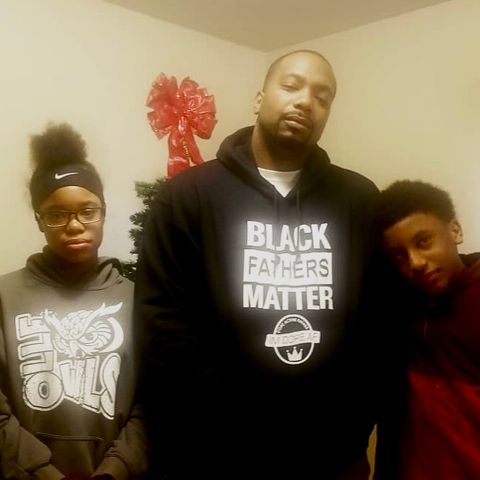
Our guest this week is DeAndrae Hinton of Houston, TX educator, special education chair at the Houston Independent School District, author and father of two including an Autistic son.
DeAndrae and his ex-wife, Chaquita Frazier, are the proud parents of Daja (19) and Dillon (16) who has Autism.
DeAndrae is the special education chair at the Houston Independent School Disctrict. He’s also written a book entitled: My Favorite Mistakes, Lessons Learned Through Accountability.
He is also a leader with the Autism Dads Social Club.
He has quite a story to tell and we’ll hear it on this episode of the SFN Dad to Dad Podcast.
Show Links –
Phone – (832) 523-7759
Email – deandrae0315@gmail.com
LinkedIn – https://www.linkedin.com/in/deandrae-hinton-27772571/
Book – https://tinyurl.com/yjwryr6w
Autism Dads Social Club – https://autismdadssocialclub.org/
Transcript:
Tom Couch: Special thanks to Horizon Therapeutics for sponsoring the Special Fathers Network Dad to Dad Podcast. Working tirelessly to research, develop and bring forward medicines for people living with rare and rheumatic diseases. Discover more about Horizon Therapeutics mission at horizontherapeutics.com.
DeAndrae Hinton: I was on a mission to find out every strength that every time I came across someone with autism or some disability, I was like, I know there’s some, like, superpower in you somewhere. So, I was on a mission to always find that. The first thing that I realized is that once they understood that I was on the mission to find their strength and to help them, you know, become better students and improve their life with their own strength. Right. Not with you know what I can do for them or whatever, but just kind of, you know, show them where they’re strong at. You start to see a totally different change in them. You know, you start to see them appreciate school more.
Tom Couch: That’s our guest this week, teacher, special father and authority, DeAndrae Hinton. DeAndrae is the special Education Chair at the Houston, Texas Independent School District. He’s also written a book, My Favorite Lessons Learned Through Accountability. He has two children, daughter Daja, 19, and son Dillon, 16, who’s autistic. He has quite a story to tell, and we’ll hear it on this Special Fathers Network Dad to Dad Podcast. Now say hello to the founder of the Special Fathers Network and host of the Dad to Dad Podcast, David Hirsch.
David Hirsch: Hi, I’m David Hirsch, host of the Special Fathers Network Dad to Dad Podcast. Two short messages. First, I’d like to thank those who donated more than $1,000 to the 2024 cycle to end Father Absence Campaign. In alphabetical order, they are Ina Byrd, Irene and Tom Costello, Kim Ducheswa, Damian Navarro, Brad Surratt, Don Stadler, and UBS Financial Services. If you haven’t already done so, please go to 21st centurydads.org and donate today. Secondly, I’d like to invite you to attend the 4th Annual Special Fathers Network Mastermind Group weekend retreat taking place at the Hyatt Regency, Chicago, September 6th through the 8th. Attendance is free for Special Fathers Network Mastermind Group Dads. Other dads can attend for a small cost. We’re budgeting for 30 dads this year, and it’s sure to be a memorable experience for all involved. For more information, please see the show notes or simply go to 21stCenturydads.org.
Tom Couch: Now let’s listen to this intriguing conversation between DeAndrae Hinton and David Hirsch.
David Hirsch: I’m thrilled to be talking today with DeAndrae Hinton of Houston, Texas, who’s the special education chair at the Houston Independent School District and father of two, including an autistic son. DeAndrae, thank you for taking the time to do a podcast interview for the Special Fathers Network.
DeAndrae Hinton: Thank you for having me.
David Hirsch: You are the proud father of two daughter Daja, 19, and son Dillon, 16, who’s autistic. Let’s start with some background. Where did you grow up? Tell me something about your family.
DeAndrae Hinton: I grew up in Houston, Texas. I have a older brother and a younger sister. Well, I was raised by my mother. There’s a big difference in age. Well, not my. Me and my brother. My brother’s only six years older, but my sister was born when I was a senior in high school. So that was fun because, you know, I was always good with kids, and so I wouldn’t have a problem with having her all the time. So a lot of people thought she was my kid. And she recently had her own, baby, I think. I think he’s maybe like four or five months. And they called me Grunkle, like, grandpa, uncle, like, because, I mean, it is. I mean, I would come home from football practice, pick her up from the babysitter, come home, you know, feet. It was like, it didn’t bother me, you know, so it was. It was kind of fun to me. So I’ve always had a, you know, a thing with children. Right. Whether it was babies or teaching in elementary age, it was. It was always fun for me and somewhat easy.
David Hirsch: Yeah. Well, I guess your younger sister gets attribution for helping acclimate you to the world of, working with, young kids.
DeAndrae Hinton: Absolutely. Absolutely.
David Hirsch: Out of curiosity, what did your dad do for a living?
DeAndrae Hinton: My dad is from Nigeria, so he came to this country, I think, when he was 33. And from when I remember way back, he started off driving taxicabs. And so that’s all I remember as a, As a young child, that he drove taxicab. And then I do remember when I went to his graduation. And again, as a child, I went. I’m not thinking about, okay, this is a guy who migrated from Africa and had to drive a taxi to pay a school. And then I wasn’t thinking about the dynamic of everything he did. I’m just sticking yellow car one day. Then one day we’re going to this school and I’m watching, a graduation. And he eventually started, working at Baylor College of Medicine as a cardiovascular scientist. And I remember just those days of certain things are just so small for kids. For me, it was going
00:05:00
DeAndrae Hinton: there and being able to put on a lab coat. I have no idea why. That just made my day, made my year. But just going in to work with him and watching him, you know, mix all these chemicals and do run tests, and I’m just sitting there with my lab coat, my goggles, and this is, like, it was just awesome. And then from there, he started his own healthcare company in which, you know, they provide, health care to senior citizens at their homes. And, you know, it’s crazy how, you know, I’m just thinking about all of the stuff that my dad did and, you know, kind of looking at my path. It’s like, wow, it’s just hitting me that a lot of this stuff is aligned, and I didn’t even think about it. I was one of those kids that grew up like, I didn’t want to be exactly like my dad. I wanted to be my own self. And then I learned that, you know, subconsciously, we keep that in your mind. You end up, you know, going down that path. So I feel like it all worked out.
David Hirsch: Yeah. Well, thanks for sharing. Very interesting. And where does your dad live now?
DeAndrae Hinton: He still lives here, but he does have his company in Africa. So right now he’s currently in Liberia.
David Hirsch: Oh, really? Okay, very interesting. So, he’s been able to straddle the world of the US and, Africa. Not Nigeria, like originally, but, in Liberia.
DeAndrae Hinton: Yes, yes, yes. I mean, he definitely still goes back home. you know, most his family’s still there, so he definitely still goes back home to Nigeria. But since business is a Liberia, that’s where he spends a lot of time these days.
David Hirsch: Very interesting. Thanks. So how would you characterize your relationship with your dad?
DeAndrae Hinton: it’s unique. I would say that. And for a long time, I had to realize that relationships with fathers are just different. So because of how we were, I used to think that something was wrong, right. That it wasn’t too much communication. But, you know, he did teach me a lot. It just wasn’t a lot of daily communication, ongoing conversations all the time. And so at first, I used to think that that was so wrong because, you know, everyone else would talk about how they talk to their dad and they’re close and this and snap. But, you know, I never kind of experienced that closeness. But I feel like that also helped me discover my own thinking process. Right. I didn’t have anybody to tell me how to think, how to be, how this I, learned, you know, on my own. And still to come to a lot of, you know, mutual thinking processes between me and him, even though we didn’t communicate all the time, the fact that I still, you know, grew up and kind of shared a lot of his ideals anyway, you know, I kind of learned to appreciate that. It was like, you know what? I kind of appreciate my dad allowing me to learn certain things through life on my own so I can have my own view of how things are. I also feel like that was probably a. A key component to me being able to accept my son’s diagnosis. Right. Because I think if I had some type of pre-thought process of how to raise a son, how to raise my son, like I’ve already that in my head, then it probably wouldn’t align with autism, because back when I was being raised, autism was not that popular and it wasn’t even that researched. Right. So I don’t think anybody back when could teach me how to raise a kid on. On the spectrum. So, you know, like I said, I. I definitely found a new appreciation, especially when my son came to move in with me. I found appreciation of how I even was brought up.
David Hirsch: Thanks for sharing. So any important takeaways when you think about your relationship with your dad, lessons learned that you’ve tried to perhaps incorporate into your own fathering?
DeAndrae Hinton: Yes. Just simply that it’s no right or wrong. Right. Like, you know, just saying you’re growing up, you’re thinking there’s a right or wrong all the time, and you’re thinking that, okay, well, this must not be the way I should. I must have messed up. Right. which goes into the title of my book. Right. It’s like my favorite mistakes. But then I learned quickly that they weren’t mistakes, they were just lessons I’ve learned. And so the key takeaways, again, is just that being able to navigate my own journey in fatherhood, navigate my own journey and raising a child on the spectrum, I think that was the best thing he could have done for me.
David Hirsch: Yeah. Well, it sounds like, he created this independence. Right. That you’re, making reference to. Right. Independent thinking and independent way of doing things, which, you know, I think that’s the goal of most parents is that they want their children to be independent.
DeAndrae Hinton: Right.
David Hirsch: Not relying on them or some other people for that matter. So I’m thinking about other father influencers. I’m wondering what, if any, influence, your grandfathers had first on your dad’s side.
DeAndrae Hinton: Well, unfortunately, I never met my grandfather on my dad’s side. He was in Nigeria, and he passed away before I’ve even got a chance to even visit Africa. And my grandfather on my mom’s side, he died when I was. When. When I was pretty young. I don’t have too many memories of him. The one thing I do remember is he was affectionate. And that was rare back then, you know, I guess raised being like, you don’t have to be tough. You got to be, you know, and to see my grandfather, every time he sees me, he’s like, he’s hugging me and, you know, kiss me on the cheek. And it’s like,
00:10:00
DeAndrae Hinton: it didn’t bother me. It was just weird, right? Like. Like everyone’s teaching me to be strong in this. But then I have a grandfather who’s showing me that you can also be affectionate. Because I don’t never remember anyone saying my grandfather was soft. Don’t get me wrong, right? So that’s, you know, it was just like, you know, I really take away the idea that you could possibly, you know, as a man, you can be a provider, protector, tough, strict, but you can also have a, an affectionate side. And if you, you know, anybody who’s around me and my son, like you, you see that all the time. It’s like we can play fight for, you know, and talk trash, like, who’s tougher, who’s bigger? But then five minutes later, he’s coming to my room, checking on me, saying, how you doing, dad? Giving me a hug. You know, it’s just like. You know, it’s just like an even exchange. And so, you know, I. I definitely credit that to. To my grandfather.
David Hirsch: Thanks for sharing. So I’m thinking about other father figures, and I remember reading, in the book that there were a number of people that you cited. One of them was Sean Miller. I think he was a barber. What influence did he have on your life?
DeAndrae Hinton: Oh, well, he’s still my barber. I saw him a couple days ago, so hey, you know.
David Hirsch: Wait a second. It doesn’t look like you have much hair. What are you talking about barber?
DeAndrae Hinton: Right? I know. Yeah. Yeah, thanks to him, right? No, honestly, I want to say he was a really huge impact. One, you know, he was my son’s barber as well. Like, so when I had my. He was mine since I was a teenage. And then when I had my son, I brought him around. But one of the things that I can say about my. My barber, first, I am glad that he has such an influence in me, because I saw him more than most guys right. I’m on every week, every two weeks, I’m in the barbershop, right? And what I remember most, and, you know, still to this day, is that when I’m coming in, you know, whether it’s a Saturday, Sunday or whatever, you know, I’m, I’m. I’m, you know, barbershop, talk. You’re hearing all the guys talking. But when I get in the chair, he says, how’s your week been? How. How many tackles did you get in the football game? How’d your grades? How does that last test you were telling me about, how did you, you know, never want. And I. And I. And I’ll be honest, like, the barbershop wasn’t in the best part of town, right? So a lot of the conversations, a lot of things that, that you hear people are doing isn’t, you know, too legal or isn’t too moral. And I will say this. He has never. He was a military guy, so he’s never been the type of person that appraised that type of lifestyle. So it’s like when I got in the chair, it was like a different energy, and he’s wanting to ask me about more positive things, more things that I’ve. I’ve accomplished, you know, And I think that really made an impact on me because subconsciously, every time I knew I was going to the barbershop, I needed a good story, right? I needed to be able to say, hey, I sacked a quarterback, or, you know, I had a couple tackles, or, you know, my girlfriend grades came up or, you know, I don’t think he cared if, If. If, you know, I had two or three girlfriends running around or, or, you know, or this and this, that. He never asked me any of the stereotypical things. He was always, you know, and it was even a point where, you know, I was struggling, in school. It was getting pretty, pretty difficult with my son and. And just continuing to. To push for my degree, while dealing with him because, you know, again, other than autism, he was born three months premature. So it was a lot of medical things that we had to deal with. So it was def. Full time going to school full time and then having to, go back and forth to the hospital and take care of him. But it was one time when I approached him and I was like, hey, I, was thinking about the military. Like, you know, I’m like, man, this. The school stuff, everything. I want it to be just simple. And, you know, and he. No one was in the barbershop. At the time he sat me down, he was like, hey, you don’t need to do that. And I’m wondering why. He’s like, out of everybody in this shop that comes in and out, I feel like you have everything you need up here. You know, he. He says you. You know, he told me, he’s like, man, you’ve always been driven. You know, I watched you raise both of your children. I’ve watched you, you know, continue to. To fight and stick with school and. And, you know, and so he’s like, you don’t need that. You know, your life is going to get hard. Life is going to get tough. But I believe in you, and I wouldn’t recommend that you would go to the army if I. I would recommend someone who honestly didn’t have future plans or. Or didn’t have a strong head on their shoulders or things like that. But. But for you, I. I would not even recommend it. And that. I want to say that conversation alone had me go right back to school and retake that test, the special education certification test. Had to take it, like, twice. You know, so I went back again. I mean, it was that just stuff like that just kind of continued to help me continue to push and almost had probably one of the biggest, pivotal moments in my life to where, okay, I shouldn’t second guess myself, you know, so he definitely had a huge impact as a father figure growing up, as well as, you know, one of my good, friends who I. I went to graduated with. He’s also part of the autism dad’s club, social club. And one of the things that I said as I was writing my book was, I want to find his dad and give him a copy, because I need to let him know
00:15:00
DeAndrae Hinton: how much it meant to me hearing him screaming my name and calling in football games. Because my dad didn’t, you know, he was. He didn’t make, you know, too many of them. And so at first it was kind of like, hey, why is this other dad, like, screaming for me so much? I mean, don’t get me wrong, he definitely supported his own son. But just having, you know, another dad, like, hey, good job, you know, this, this. And I’m like, wow, you know, it. At first it was like, wait, because my own dad wasn’t here, so I wasn’t used to it, but. But it became, like, the only thing I had in the stands, right? And it always helped that he had one of those voices that you can hear in a crowd of 10,000, right? You can always hear that one guy and fortunately, like I said, a lot of things came together. So when my good friend, we reconnected and he was talking to me, his son was diagnosed with autism. And so he, saw that I was a part of this, organization, and he reached out to me, and I was just like, well, this is a sign. I said, hey, man, you know, I have my book. I really need to give it to your dad. I really need to. And he actually was able to make that happen. You know, we met up and I was able to give him a book and explain to him, like, how much it meant to me just even just hearing that, you know, as a kid playing ball and, and, you know, and I even told him, I was like, man, there’s times I didn’t want. I want to stop writing, but I could hear in his voice, like, hey, man, good job writing that paragraph. Good job finishing that chapter. I mean, it’s like, you know, it kind of just for some random reason, just really just kind of helped me stick to it, you know, helped me keep going, you know. Definitely another powerful influence in my life, whether they knew it at the time or not.
David Hirsch: Yeah, well, thanks for sharing. Anybody else that, played a influential role from a father, father figure perspective.
DeAndrae Hinton: I want to say. My basketball coach in, middle school, his name is Coach Edward Lamar. He’s still coaching to this day. And again, my son came full circle when he moved in with me. He was able to play on my coach’s basketball team. So it’s like their first game in the summer just brought back so many memories. I was like, almost almost cried hearing my son get yelled at the same way I did. It was just, like, beautiful. I was just like, yes. Like, it bring me back so many memories, man. And. And it was. It was cool. And, you know, I want to say he had a. He had a huge impact because he didn’t care where you were. He would coach you wherever you were. And no matter, you know, the talent, the athleticism on the team, he would coach everybody. And he had high expectations for everyone. you know, not only that, he was, I’m sorry, is a faithful man. And, you know, I’m talking every time we talk to him, he’s letting us know about God and, And how he changed his life. And. And it was just all positive, you know, on the court, you. You better, you know, pay attention because he. He’ll throw a basketball in your face. But, you know, after practice, you know, he’d pull you to the side and kind of let you Know, inside of him and, just. Just seeing him go so far above and beyond for me and other people on the team, you know, because that also has an impact when your kids see how much you do for other kids. It’s like, you know, we really had that trust that not only was he, you know, in our lives because, you know, he was a coach and that’s what he did, but all the things that he did after practice and after school and, and all the things, it. It never left. And it definitely stuck with me as I also became an educator.
David Hirsch: Yeah, well, thanks for sharing about Coach Lamar. So my recollection was that, you went to the University of Houston, got a bachelor’s degree and special ed in teaching, and then, you took a master’s degree in education leadership and admin from University of St. Thomas. Did you always think that you’re going to be in education, or was there, a step or two before that?
DeAndrae Hinton: Honestly, I did. I want to say it goes back to 10th grade, and I was in my government class and I was trying to explain to him how I was so confused at why I was able to tutor kids in algebra and I failed it. I’m like, I had to go to summer school, but before school ended, I have a group of kids after school, and I’m, you know, teaching them how to do these problems. And I’m like, I don’t understand how I couldn’t do it. I was telling him that, and he said, maybe you should think about being a teacher. And I was like, I never thought about that. What teachers do have is the ability to simply explain information in a way that the other person understands it. So it’s like you get to know the person and see how they’re thinking, and then you figure out how to explain it in their terms. That’s where we get great teachers from. And. Yeah. So, from an early age, I kind of knew teaching and education was going to be in my future. It wasn’t until I left. My first college was Tech Southern University, and I, took a few classes at, Houston Community College before I ultimately went to U of H in Clear Lake to graduate. I took an intro to special education. I’m not sure if it was the way that the guy taught the class or the fact that the information was so interesting to me. After I took the class, I changed m my major. I’ve been interested in special education. Like, I was interested in the different ways of thinking and the different ways that their minds worked. And I was just like, for some reason, I just continued to be more
00:20:00
DeAndrae Hinton: involved, you know, also too, just thinking back in high school, how, you know, we would understand, you know, but we knew that there was that one class where, you know, most of the students who, you know, were on a lower functioning, all those in that class. And I would see myself, you know, just interested in why they were the way they were. I also would ask myself, what talents do they do have? Because we did have a kid back in high school who now I understand, had autism. On one day, he’s jumping on table, saying he’s a ninja. By the time I graduated and he was, I met him again and Houston Community College, I was doing work study in the, performing arts studio. And I see the kid walk in and I’m just sitting there like, I know what class you were in in high school. Why are you here? He said, hey, one of these piano rooms that we have private piano rooms. Hey, can I get in there? I’m like, there’s no one here. Why not? I let the guy in there. When I tell you he played, songs so smoothly, singing and playing the piano, it was just like, oh my God. Right? And so from then on, I kind of like, was like I was on a mission to find out every strength that every time I came across someone with autism or some disability, I was like, I know there’s some like, superpower in you somewhere. So, I was on a mission to always find that. That kind of, you know, stuck with me because even in the classroom, like when I became a teacher and I was in the behavior class, so I had all kind of disabilities in my class, the first thing that I realized is that once they understood that I was on the mission to find their strength and to help them, you know, become better students and improve their life with their own strength, right? Not with m, you know, what I can do for them or whatever, but just kind of, you know, show them where they’re strong at, you start to see a totally different change in them. You know, you start to see them appreciate school more because, you know, honestly, like, by the time I get a kid, because my kids weren’t from my school, they would always come from different schools, you know, because to get in my class, you have to be arted in. So you definitely had to do a number of things in your previous school to finally get to me. So by the time they get to me, their whole ideal of school is shot, right? I’ve been put out, I’ve been in trouble I’ve gone home and got in trouble. So I don’t. School is the worst thing in my life right now. And then after a few months it’s like, okay, I start getting emails and texts from parents like, you know, my child likes school now. You know, or I, would come, you know, they would come to the R meetings and, and tell me how they come home happier. Yeah.
David Hirsch: Well, it’s great, that you found your calling so early in life and that it’s something that, you know, you might not have thought you had a talent or a skill in, like you were saying, but, you know, it’s obviously one of your superpowers. And you didn’t say this, but my observation is that you’ve taken a student centric approach to teaching as opposed to a teacher centric approach. Right. A lot of teachers have their own way of doing things. Right. And it works for certain percentage of the class. And, you know, it’s very efficient way, right. For people to conduct themselves. And, you know, taking a student approach requires a little bit higher level of attention to detail and customizing, you know, sort of learning plans, if you will. And I know that that’s part and parcel with, the special education world is having IEPs and trying to figure out, you know, what each, student’s strength is and trying to tailor a program that’s going to help them reach their full potential. So anyway, it’s always great to meet people yourself. So let’s talk about special needs. Now on a personal level, what is Dillon’s diagnosis and, how did it come about? Or diagnosis and what, how did they come about?
DeAndrae Hinton: Okay, so Dillon was diagnosed at around 2 or 3, with autism. But like I said, he was born three months premature. He was about 1.6 when he was born. And it was a very unique, story. Middle of the night, you know, his mom’s like, hey, something’s wrong. I shouldn’t feel like this at this point in my pregnancy. Next, thing, you know, water broke and we’re six months in and we’re on the way to the hospital. Funny thing is, that same night it was like, I’m. I’m being dad to my daughter because I had her that weekend and she had a fever. So I’m nursing her and running back to the bedroom because, you know, Dillon’s mom is, was, is. Is, you know, not feeling too well and so going back and forth. And then finally she says, I think my water broke. And then now I’m like, okay, we gotta pack Everything and go. So we got there. Of course, they immediately took her and, you know, had to have an emergency surgery. My daughter, at least at that point, was like, maybe two in the morning. So she finally fell asleep, but the doctor was saying, like, hey, we have to rush to get him to the NICU. But if you sit by the elevator, from the time that it takes the elevator to come down, you can see your son. And I was torn because I’m like, mom is still, like, knocked out, right? And I
00:25:00
DeAndrae Hinton: didn’t want to, you know, see him without her. But, you know, at the same time, it was, you know, my first son and I, you know, so, you know, I was sitting with my daughter. We were sitting in front of the elevators, and, here they come. You know, he’s in this little cat, you know, almost a cage, but it was like, look like a bubble. And they rolled him by. And, as it took about maybe 30 seconds for the elevator to come, so I was able to see him for about 30 seconds. And then they took him on. It was definitely a experience. right. Like just seeing your child, honestly. Right. Like, he was born in six months, so all of his body features weren’t, you know, developed. So it was scary, right? Like, not knowing if he’s gonna make it. But I want to say that was like, one of those moments where it was like, all, Right, you’re in it now. You know, like, we’re here, like, for the rest of his life. You know, this is what you’re going to be dealing with. So, you know, it kind of, you know, that. That initial, like, worry and like. Like, scary, right? You’re worried, you’re scared. You’re all kind of stuff. As. As a dad, even though we don’t admit it, you know, like, we talked about earlier, like, you don’t want to talk about help, right? We. I didn’t want to show it. I didn’t want to admit it, but it was definitely scary. And thank God, he was definitely a miracle baby. He survived. He had about four or five surgeries while in there? No, I’m gonna say three. Yeah. Three or four surgeries while in the hospital with those three months, and then about four or five after he got home.
David Hirsch: So those surgeries weren’t related to the autism, because that was super early on. What were they related to?
DeAndrae Hinton: So he had a procedure to close a hole in his heart. He had a couple of, retina reattachment surgeries, and I put them in the book. I just, you know, so many, you can’t remember the exact names, but I do remember he came home on oxygen tank. And then after he got home, he had a few surgeries to, repair hernia. He had his tonsils removed. I think he had a collapsed lung and had to have surgery on that. He also, had a few cataract surgeries. So officially, he has a autism diagnosis as well as a visual impairment.
David Hirsch: Okay, well, it sounds like a very precarious, entry into the world. Dillon’s, entry, that is. And, I do have a little experience in that area. Our oldest daughter was about eight weeks premature, and she weighed, you know, considerably more. I think it was 3 pounds, 6 ounces. But it looked like a science fair project. Right. With all these tubes and, you know, wires and everything and all the monitors. And then, you get to the day that they’re ready to go home, and they just unplug, everything, and they say, here’s your child. Right?
DeAndrae Hinton: Right.
David Hirsch: You’re like, well, if they needed all that stuff, you know, five minutes ago, how are they going to be okay without it right now? And you just have to take a leap of faith and say, hey, maybe they’re ready. Let’s. Let’s go with this. Right. Like you were saying, you’re in it. You know, you just have to, sort of dig a little bit deeper and, you know, try to be as focused and present as you can be. So thanks for sharing. So at that, early age, you know, he’s going home at, three months. He’s on oxygen. What were some of the fears that you had as parents with a child with these type of challenges?
DeAndrae Hinton: Well, number one, the biggest concern to me, was one of his surgeries. They had to go, well, yeah, I guess had a feeding tube. So, they had to definitely go through his nose all the way down. And I want to say there was another surgery that they had to go through his throat. Either way, one, at some point in time, it was scratched. And I remember also one day they, came in and he had managed to pull his feeding tube out of his mouth as a baby. It was. It was interesting. And so one of the things that they said was that scratching his vocal cord. You couldn’t hear him cry like he was screaming, but there was nothing that came out. Most of my biggest concern was, how do we know, you know, he’s. He’s needing help or this, and it’s not. So we actually had to come home with a heart monitor. It’s something like a baby monitor, but it Just lets us know when his heart elevated. That doesn’t necessarily mean he’s crying, but it lets us know to go check. And then he had oxygen tank. And I do remember the first time I take him to his doctor’s appointment on my own when his mom’s at work. I was scared out of my mind because I’m like, I’ve never worked an oxygen tank, and so I wasn’t even sure if it was on or not. I don’t know if I did it the right way. All I know is we went to the hospital and we made it back and he was still alive. So I was like, hey, I must have did something right, But I honestly couldn’t even tell you if I turned the knob the right way or if, you know. But it was definitely scary. I’ll be honest with you, it was scary. The doctor said something about it before we took him home, and he said, none, of this is going to affect him in a major way in life. He just may not be the world’s best singer. And so I said, when he was, like, 2 years old, 1 of the first signs is that he was so musically inclined. Like, before learning how to perform his own sentences,
00:30:00
DeAndrae Hinton: sentences, he learned how to sing songs. And he would sing them as loud as he possibly could. And I’m like, yeah, well, he heard that doctor, right? Like, he heard that doctor. And. And all he did would, you know, growing up, ah, in a 12 years old was sing songs. I mean, that was his thing to do. It still is his past. I mean, he’s a music head, you know, he just wanted to sing every song he heard on the radio all day long. And I always thought about what that doctor had said. And I was like, he must have heard you, and he must have, you know, understood what you were saying. And he was like, nah, I’m gonna show you.
David Hirsch: So was there any meaningful advice you got early on, either from, medical community or friends or relatives for that matter?
DeAndrae Hinton: Even though there wasn’t too much experience, I still would credit my mom and a lot of the insight that I had in raising him, because she would always treat him as. There was nothing wrong. Right. She would see, he was born with, echolalia. I would say born with it, but he developed it as, you know, growing up, you know, so you would, hey, good morning, Dillon. Instead of saying, good morning, he’d say, hey, good morning, Dillon. Like, he just simply repeats you all day. Well, my mom had lived with me for a few months, her and my little Sister after my son was born. And I remember, you know, every night they would practice talking, and eventually that echolalia went away because he learned how to think when he would talk. And like I said, I credited my mom because although she knew his diagnosis, although she knew the medical history, she still was like, no, he’s the same as everyone else. He needs to experience life like everyone else does.
David Hirsch: Yeah, well, thanks for sharing very important insight about, your mom’s high expectations and not treating him any differently than anybody else. So, what impact has Dillon’s situation had on. On, his older sister or your extended family, for that matter?
DeAndrae Hinton: I want to say his older sister was like, mom. I mean, she had that personality growing up. She was. She was a tough one. I knew she was going to be tough from early on. her mother had a child before her, so she had an older sister. But I do remember as a baby, one or two years old, like, she would be the one taking up for her sister, like, you know, protecting her sister. I would even bring her to the barbershop, and, you know, she would, you know, the guys are talking noises. You know, one of the other barbers is talking to me, and she’s like, dad, can I get down and go hit him? It’s like, so she was protective. So, you know, when. When her brother came, it was a natural thing to always protect him. And like I said, it was like another mom.
David Hirsch: How about your extended family?
DeAndrae Hinton: I couldn’t ask for more. The attitude of my extended family was awesome. I mean, they always, you know, wanted me to bring him. They always wanted him around. Just kind of treated him like there was nothing else wrong. And so he always had a great time. Anytime we went around my family, you know, I like to joke with everyone, like, I might be the one on the spectrum, because when we get around, he is the most social person in the world. I mean, he talks to everybody. And where do you find me? somewhere in the corner on my phone, like, you know, and I’m like, that’s just. That’s just how it is. It’s like. And that’s one of the things I. I appreciate so much about my son is because it’s like, no one notices that I’m introverted when he’s there, you know, because all the attention’s on him and everything’s great. but, you know, we. It’s like yin and yang, and we. And we get along and we make it work.
David Hirsch: Thanks for sharing. So I’m thinking about supporting organizations. I’m wondering what organizations, Dillon has benefited from.
DeAndrae Hinton: I want to say, you know, government assistance was definitely a big help. You know, SSI was. Was. Was definitely helpful because, you know, he was, you know, three months in that hospital. So they covered, you know, transport, you know, gas, you know, reimbursements, and even parking at the hospital was covered.
David Hirsch: So I’m sort of curious to know if there’s any other organizations that Dillon has benefited from.
DeAndrae Hinton: Autism Speaks. They are a good help. I believe they even help with providing advocates for parents if they need it. They were a big. Also are a big help with our autism, dad social club. Right. They helped us with events and, help us bring awareness to a lot of the parents. I would even go forth and say that I learned a lot through the Texas Workforce Commission. And typically you would think about that as a unemployment, office. Right? If you need, assistance with getting a job or assistance, with living, assistance, then that’s where you would go. But I learned that there was a lot of, resources for individuals with special needs, starting at the age of 16. When it comes with job placement, when it comes with job coaching. I even mentioned the. The Texas School for the Blind, where. Where my son is currently, at their camp, the Texas Workforce Commission, for those who qualify to go to the camp, if they didn’t have transportation, they would provide that transportation from Houston to Austin, you
00:35:00
DeAndrae Hinton: know, for parents that just simply cannot afford it. So Texas Workforce Commission has definitely been a huge resource that has been around for ages that parents simply didn’t know to go to them for resources for their growing child for when they do transition. I’m gonna say Hope for three is another good resource for, parents. Again, they give parents assistance on providing, advocates when they need them because it is a struggle, you know, as a parent, it is a struggle to fight for your child’s accommodations, fight for your child’s rights within education. And advocates are extremely important and extremely important. You know, as a department chair, you know, I’m often on the other side of the table of those advocates. And, you know, don’t get me wrong, after about two or three hours of going back and forth with them, I’m like, sheesh. You know, but after the meetings, I’m always getting their business cards because I’m like, as a parent of a student with autism, I love the fact that you’re that specific. I love the fact that you’re that hawkish on every I being dotted and every T being crossed as it Comes, down to this, student’s IEP.
Tom Couch: We’ll be back with more of the conversation on the Special Fathers Network Dad to Dad Podcast in just a few moments. But first, this quick message. Please help 21st Century Dads gather research on families raising children with special needs by having them complete the Special Fathers Network Early Intervention Parents survey. A link to the survey can be found in the show notes. As a token of our appreciation, each person, mom or dad, who completes the survey will receive a great dad coin. Thank you. Now back to the conversation.
DeAndrae Hinton: You know, especially in a self contained special education class or behavior class, you got to find them on because you know, everyone won’t share that thought process, right? That they won’t share that. You know, these kids do need to be rehabilitated, right? They won’t share that. You know, hey, we do need more men in elementary to help become a positive role model versus to just house the ones that we can’t handle. So, you know, again, it’s like that’s that intrinsic reward that they talk to you about when you, when you’re, when you’re approaching education as a career choice. It’s like, look, you’re not going to be the highest paid, you’re not even going to get the recognition. So you’re going to have to find the intrinsic rewards that come along with teaching. And so that was one of the ones I found. You know, it was like, they may not help me with that process here in this class or here in this district, but I do know the impact that I had on their lives when they go to another place and they say, okay, well yeah, we see your IEP says self contained, but you’ve been doing great in this class so you know, we’re going to keep you right where you belong.
David Hirsch: I love it. Thank you for sharing. So let’s talk about the Autism Dead Social club, founded in 2022. Co founders Jonathan Chisholm, Emmanuel Arwalo and Jesse Esparza. What’s the mission of the organization and what’s the backstory there?
DeAndrae Hinton: Well, the backstory is, another one of those, me being in education, coming across another resource. Right. So I’m at work and I’m getting, I got an email from the school counselor and she says, hey, there’s just a coup of support, groups for parents. You know, I know you know, Dillon has autism and you can use that as well as if any parents, you know, from the special education department, you know, need these resources I can share. So one of them was autism Bass Club. So I saw it and I, came across their Facebook page. I reached out, you know, I m definitely interested. I’m, I’m a father, you know, gave my stats. And so, you know, I showed up and just the inviting energy is what got me immediately being greeted, you know, sharing my story, meeting other dads and hearing their stories. And I also want to say, like seeing how the founders really cared about each dad, each story. Immediately after meeting the dads, you know, we just all got into this whole, you know, we need to, need to exchange resources, right? If I know about this, then I’m going to share with the dads. I know about, you know, certain things I’m going to share with the dads. I mean I definitely share a lot because of the fact that I’m, you know, in education and a lot of the dads in the group now, their kids haven’t reached that middle school level. So I’m at a position where I’m able to let them know, hey, this is coming up. This is the things that you need to know. This is the things that you need to ask for from the day one. This is the things that you need to reach out to, you know, and so just kind of giving everybody like a heads up on some of the things that are available for kids also. another thing that, that really just, you know, brought me into the organization is when I went to the first family, event, I’m looking at all the parents, that are bringing their kids out. Like I said, all different levels on the spectrum. You have those student, the kids that are on the spectrum that again have those reactions to over stimulated and you know, sensory. Right? So you got parents that just, it’s second nature to hold them, right? Hold them, grab them, like, hey, calm down, sit down. The look on the parents face when I get to walk by and say, hey, you know, you can let them go, right? Let them go. Like everyone in here is a parent of. So we’re all looking out for each one. All the dads are looking out for all the kids. Like the relief on their face to be able to
00:40:00
DeAndrae Hinton: let their kid go, knowing that it’s in a trusted environment. I mean, it was everything, you know, because as a parent, raising a kid, that’s your biggest concern. Like, what’s going to happen if he has a meltdown? What’s going to happen if this, this that, you know, and not. And knowing that, you know, especially if back then, you know, raising my son, if there was like a, you know, If I knew of a support group that every time we got together, it was one of those, let your son run, roam free. It was like, wow, you know, and so seeing the actual work that they do for the community, seeing the genuine care that they have for dads, you know, it was like, man, I want to be a part, as much as I possibly can. And so, you know, earlier this year, when they invited me to be on the executive committee and helping out with the planning and the organization of certain things, man, it was, of course, you know, and I do want to give credit to Jonathan Chisholm, right, one of the founders, when I first told him, you know, because like I said, me writing was kind of a, inside thing, right? Like, not a lot of people knew that. And so even telling people I was writing a book when I told him, and keep in mind, Jonathan’s a college professor, you know, so when I’m telling him, I’m like, hey, I, I want to write a book. And then I’m going to write about my son and experiences that I had as a, as a single father, as raising him one on one, you know, he was like, man, you need to, it was like, parents need to hear your story. And he was one of the first people that I sent my final draft to. I sent it to him on a, A week before we were set to meet up with the Autism Dads, club. And the day of, he, sends me a text. He’s like, hey, man, I just started reading your book. It was pretty cool, right? It’s, it’s starting off. I’m on, you know, page five or something. So. Okay, cool. You know, he started to read it. Twenty minutes later, he said, I’m on page 15, man. I can’t stop. Right? You know, about an hour later, he’s like, you know, so I’m like, okay, this just must be. I’m like. Because my thing is he reads papers all the time, right? Like that, that he’s a college professor. So when I get that type of feedback from that, you know, someone like that, it’s like, okay. I also want to credit him because again, I, I, I, I still say that, you know, part of me still that had that introverted, you know, that personality. And when we met up with the dads, I hadn’t even talked about it yet. Oh, he talked about it in front of everyone. But it put me in a situation where I had to. And it was like, several times, you know, since I’ve released the book, I’ve Been put into situations where I normally wouldn’t talk. I normally wouldn’t speak in front of a group of people or I normally wouldn’t. But I want to say like that that day that he did that and put me in the position where I wasn’t prepared to talk, but I had to anyway. You know, I definitely give him credit for that push, right. That, you know, if you are going to put a project this powerful, you have to step outside of your norm. You know, you have to get outside of that introverted, mentality and be willing to speak to people and talk to people and, and kind of like be a walking billboard, right, Kind of advertising what you have and what you’re trying to put out there. And so, you know, again, I, I credit that to him and, and just the other, members, of. Of the group, and how they’ve been so encouraging. You know, they’ve even sponsored one, of my first book, signing events. And and we did a, a book talk. And then it was pretty amazing just to see all the support and the people that came out.
David Hirsch: It sounds like the Autism Dad Social Club has been a great connection for you. Out of curiosity, how many members are there?
DeAndrae Hinton: executive committee is going to be four of us, but then charter members. I want to say we have about 10 or 12. And then we just Saturday we had, you know, maybe three or four new dads that came along. So, you know, between then and now, we could be up, up that number.
David Hirsch: Excellent. Well, I’m hoping that, that just continues to evolve and grow. So let’s switch gears and talk a little bit more about the book that you’ve reference to, the title of which is My Favorite Mistakes, Lessons Learned Through Accountability. And the word mistakes has a line drawn through it. So I guess the implication is My Favorite Lessons Learned Through Accountability. The book came out in March of 2024 and you’ve, talked a little bit about it. And what I enjoyed most about the book were the lists that you prepared. Certain lists were for parents, what to do, how to do things with. Your other lists were for educators. Right. Because you’ve got a decade plus experience being in the classroom. And there were some favorite phrases that jumped out of the book. And one was from a woman by the name of, Rhonda Crossfield. And the phrase is fix your face. And I’m wondering if you could share the backstory on that.
DeAndrae Hinton: Absolutely. So, Ms. Crossfield is a teacher that I Met at the school that I met now. I’m actually transitioning to a different school for next year, back in the behavior class, because that’s where I am, you know, that’s where I’m from. That’s. That’s home for me, you know. But working, with teachers,
00:45:00
DeAndrae Hinton: right, Being a department chair, working with teachers, you know, that was another level of influence that I was able to get, right? So, me, me, and Ms. Crossfield became close because she was a veteran teacher. I mean, has 42 years under her belt, so she’s seen everything. So there’s times where she would see my frustration within having a position like that. And just like, you know, just like you said earlier, us got. We don’t like to talk about, you know, a lot of the things. We don’t like to ask for help. But she was one of those people that can just look at you and tell something’s going on. And so one day she came to my office and, you know, she’s, you know, asking me a question. I’m letting her know I’m not giving her answers and stuff like that. And then she leaves, but out of nowhere, she comes back. I didn’t know she was back in my office. It took me a while to finally look up and see that she’s still there. As soon as I looked up, she’s like, fix your face. Don’t let those people stress you out. She had no idea what was going on. I didn’t tell anybody. And I just couldn’t do anything but smile because it was like, I can’t lie and say you’re wrong. Clearly you can tell that something was going on, and I’m just trying to push through it. But once she said that, it took me back to my own mom, right? Like, some of the things that she would tell me, like, encouraging things, like, you know, and so it was like, yes, ma’ am. No words, no explanations. Yes, ma’ am. You know, and. And from then on, it was hard to allow certain things to get me frustrated. All right, I do. I want to shout out another person, which I did talk about in my book. Her name is Dr. Colleen Vasquez. She was my principal during my elementary years. And when I talked to her about the next position that I was getting as a department chair, you know, she. She said the one thing that I didn’t think about. She said, I think you’re going to do great simply because you’ve been able to handle all the situations that we threw at you as a, Special education teacher in the behavior class. Not only that, in my own self contained class, you know, I have to manage all those behaviors. When a fight breaks out in this hallway down there, who has to go do it? Well, if, this class gets too out of hand, who has to go? So there were times where teachers didn’t even know that I was a teacher myself. And so they’re calling or they’re, you know, sending me messages like, hey, we need your assistance. And they’re becoming frustrated because I’m not there, because they think that I’m an administrator, that I’m, you know, supposed to come every time, you know, something’s going on. So just imagine being pulled in so many different directions as well as still having to meet the special needs of, your own students. Right. It was, I mean it was some very, very challenging times. Right. one of the, situations that I came in that I didn’t include in the book was that I had two students the pandemic year. And those kids had never been to school before. Even prior to that. They both are AU, they were 9 and 10, you know, 4th grade, 5th grade level. But the 10 year old who could talk a little bit, maybe on the first grade level, like I said, they never had been to school. The non verbal student would express his frustration by spitting. And back then, of course, during the pandemic year, any bodily fluid means your entire class was evacuated out of that room. And they came in and they sterilized everything like that was the procedure. So, it was extremely frustrating, especially knowing that they placed those kids in my class simply to house them until they got their evaluation so they could get to the correct class. So of course they come in, oh, it’s going to be maybe two weeks, that’s it. And then we’ll take all the rest of your kids and put them in. I had those boys for three months and them taking my other kids out of my class so I can only deal with them lasted maybe a week. right. So I had those boys plus the rest of my class, plus a kid with spina bifida. So I had to, I mean it was a lot. But the fact that I overcame all of that, I figured out how to manage all of that. I figured out how to make that work. Right. She was like, you know, most teachers would have quit. I, I didn’t have a planning period, I didn’t have a lunch like most teachers would have quit. And she said, you know, she just reminded me, you know, the fact that you were always the person everyone called when things went wrong. The fact that, you know, even when parents, you know, came, aggressively towards the principal, they would get on the intercom and say, hey, mister. Oh, call my. Hey, Mr. Hin, we need you to come fix the printer. No one touched the printer, so I know what that means. Right. It was a lot that I had to support at the school. But I can’t lie and say I didn’t have a lot of support from my principal. So it, you know, in the moment, it’s almost like, okay, yeah, it’s a lot. But the fact that I know she supports me, I didn’t feel it as much. Even though, again, there were. I mean, there were just certain frustrational times that year, just all over. But the fact that I had her support, it made it easier for me to become support for other people. People. But like, that influenced that. That from her. Just like, you know, Ms. Crossfield, you know, kind of giving me that, that old school mom type of advice. It. I mean, a lot of that stuff
00:50:00
kind of helped me throughout my career in dealing with the most challenging, times.
David Hirsch: I’m wondering if there’s anything else you’d like to say before we wrap up.
DeAndrae Hinton: I guess the one thing that I would like to say is, you know, I want to say one of the most important lessons that I learned, which is get to know your child more than, you know, their disability. Because, and guilty as it I was myself, you know, once they got the diagnosis, I, immediately went diving in literature and. And just like, hey, what do I do? What can I do? This and this and that. And I want to say, throughout his life, I kind of had that approach. Right. Like, I put autism before him, and I had to learn quickly. Like, wait a minute, he has his own personality, he has his own feelings, he has his own emotions. It might look different, but he still has them. And so I need to get to know him. I need to know Dillon. Not the autistic son that I’m raising, not the kid that’s on the spectrum in school, but Dillon the person. And once I did that, you know, and we’ve always been close, don’t get me wrong. Like, we’ve been, you know, Batman and Robin ever since he was a baby. As parents, I. I recognize that we also have that knack to know. And being in the unknown is scary for a lot of us, you know, and so for me, I feel like parents would get a, relief when they just simply take some time to forget about the diagnosis, forget about, you Know what the future may or may not hold and simply just get to know the person that’s in front of you and you will find those strengths. You will find those, those things that you never knew that they were even capable of doing. You know, and like I said, even throughout my book, I even talk about like, I didn’t know that this kid could do this. And then I find out, right? And also we place more limitations on our kids than they do. And that’s a lot of the forethought and the get to know your kid more than disability, because when you get to know the disability, you will put limitations on that based on what you’ve learned from that disability. And if you haven’t yourself experienced other people with the disability that shows you that it goes beyond the book you just read, then you’re going to think that that’s all that they can do. And if you don’t know them and you don’t take the time to get to know them more than you get to know the diagnosis, then you will kind of, you know, subconsciously cap them or limit them on their potential. And so when I started, you know, me personally, because again, one of my mistakes that I made turned into a lesson, you know, learned, through accountability is that that he started to show way more potential of what he can do. When I started being more interested in that versus what I would need to do as a parent to support him having autism, I should have been looking at it. What can I do as a person to support this other person, you know, and again, it is difficult again, when it’s your child, right, to think about your child is not your kid anymore. Not my baby, but another person, another man, he’s growing a young man. Another man that if I knew on the street, I would approach the same way. How would I help support that man, man, if I didn’t know that if that was not my son, Right? So that’s, you know, one of my biggest and my favorite, you know, lesson that I got out of, of, of. Of writing this book of, of talking to parents of, of raising my kid on, on the spectrum as a single father. And I want to say too, which I, you know, give all the, the praise, accolades and, and shout out to his mom when we both came to that decision to let him stay with me, I would have never learn this much without being right that, you know, right, you know, right there. You know, a lot of these situations, that I speak about in my book, I did not have experience prior to so I had to, you know, learn on the fly. But, you know, taking on this challenge of raising my kid, as a single father again, I had to learn a lot of things on the fly, unlearn a lot of toxic things that I, you know, remembered from, you know, whether it’s childhood, whether it’s, you know, just growing up in life, unlearn certain things so I can give him a fair chance, you know, because again, I don’t want to cap him, I don’t want to limit him, but I had to figure out the ways that I was doing that without know, you know, subconsciously I had to figure out how I was capping him first before I can make sure I stopped it.
David Hirsch: Great advice. So if somebody wants to learn more about your work, about the book, go to contact you. What’s the best way to do that?
DeAndrae Hinton: Email my first name DeAndrae d e a n d r a e0315@gmail.com you can also reach out, to any of us in the Autism Dad Social Club, the website, autismdadssocialclub.org. you can definitely go there and you know, reach out to our, our email, portion and you know, send the email out, one of us will get it. And so they want to talk to me or, or have any questions for me or, or you know, just need some advice. They can definitely reach out that way. Also just keep in mind that all four of us that are in the executive committee, including the three founders, all have an expertise at some sort. You know, whether it’s the legal expert, the, the
00:55:00
DeAndrae Hinton: educational side, they all have some sort of expertise. So you know, even if it is a question for me personally or something like that, if the issue has something to do with one of their expertises, they will be willing to help out as well. So yeah, you can definitely reach out to me through my email, you know, Instagram, so you know, just like look me up there. Facebook, same way. DeAndrae, that’s my page. And yeah, I speak to parents all the time. I love talking to parents. I love, you know, if I can help them or be a resource or be able to send them in the correct, in the right direction. You know, I love that. I love that. I love, I love also feedback, you know, if anyone just wants to send me feedback about my book and let me know, you know, how it impacted your life. I’d love to hear about that.
David Hirsch: Well, thanks for sharing and I’ll be sure to include the, contact information in the show notes so it’ll make it as easy as possible for somebody to follow up. DeAndrae, thank you for your time and many insights. As a reminder, DeAndrae is just one of the dads who’s part of the Special Fathers Network and mentoring program for fathers raising a child with special needs. If you’d like to be a mentor father or are seeking advice from a mentor father with a similar situation to your own, Please go to 21stCenturyDads.org. Thank you for listening to the latest episode of the Special Fathers Network Data Dad Podcast. I hope you enjoyed the conversation conversation as much as I did. As you probably know, the 21st Century Dads foundation is a 501c3 not for profit organization, which means we need your help to keep our content free to all concern. Would you please consider making a tech sectoral contribution? I would really appreciate your support. DeAndrae, thanks again.
DeAndrae Hinton: Thank you, had a great time.
Tom Couch: And thank you for listening to the Special Fathers Network Dad to Dad Podcast. The Special Fathers Network is a dad to dad mentoring program for fathers raising children with special needs. Through our personalized matching process, new fathers with special needs children match up with mentor fathers in a similar situation. It’s a great way for dads to support other dads. To find out more, go to 21stCenturydads.Org.
David Hirsch: And if you’re a dad looking for help or would like to offer help, we would be honored to have you join our closed Facebook group. Please go to Facebook group facebook.com groups and search dad to dad. Lastly, we’re always looking to share interesting stories. If you’d like to share your story or know of a compelling story, please send an email to david@21stcenturydads.org.
Tom Couch: The Special Fathers Network Dad to Dad Podcast was produced by me, Tom Couch. Thanks again to Horizon Therapeutics who believe that science and compassion must work together to transform lives. That’s why they work tirelessly to research, develop and bring forward medicines for people living with rare and rheumatic diseases. Discover more about Horizon Therapeutics at horizontherapeutics.com.
00:57:47